
Weather
...
Island temperatures °C

National parkNosy Tanihely

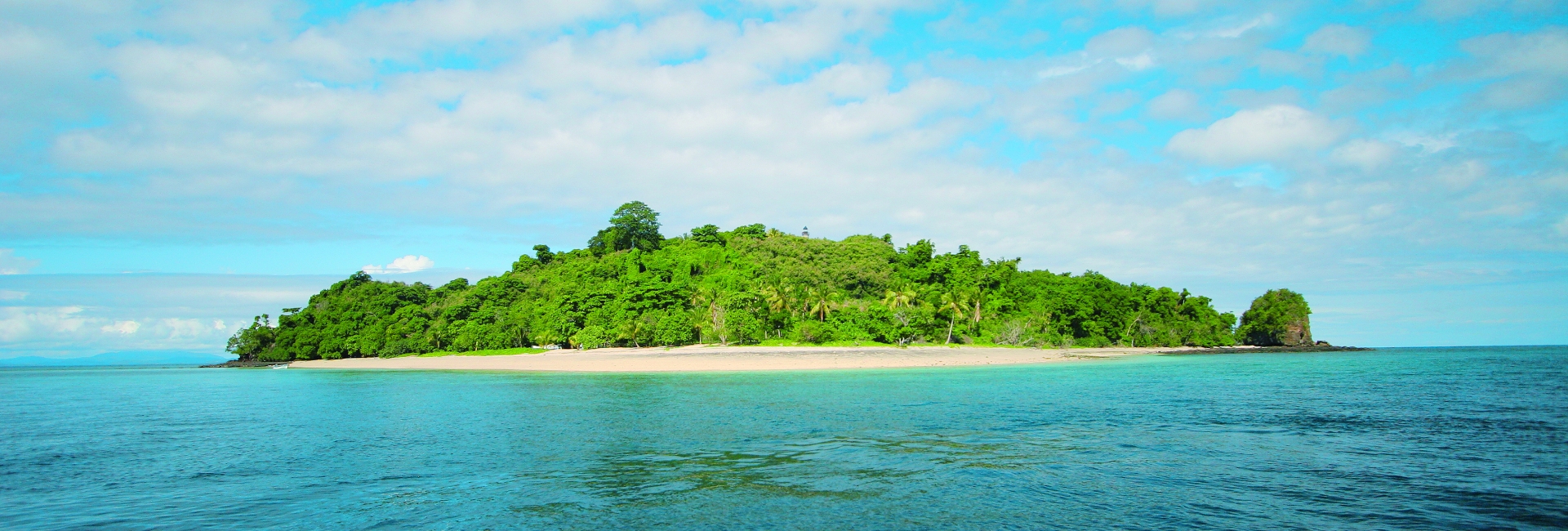
Welcome to the official website of Nosy Antanihely, also known as Nosy Tanihely. This island has been designated as a Marine and Coastal Protected Area for several years, often referred to as "the island of the small land".

Explore here everything you need to know about this remarkable site. Tickets to visit Nosy Antanihely can be purchased exclusively on this official platform.

About

About Park Nosy Tanihely
Nosy Tanihely
Nosy Tanihely

Despite its small size, Nosy Tanihely enjoys a well-deserved reputation for its exceptional marine and terrestrial biodiversity. Scientific studies confirm that this site is one of the most important in Madagascar in terms of marine life. Every year, an increasing number of vacationers visit the park, leading to the establishment of reception infrastructure including a hut for reception and orientation, an interpretation center with its lighthouse, sanitary facilities, a dining area, and picnic tables. Regarding the marine part, buoys delimit the different mooring, swimming, and park access zones.

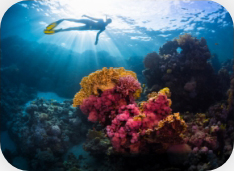
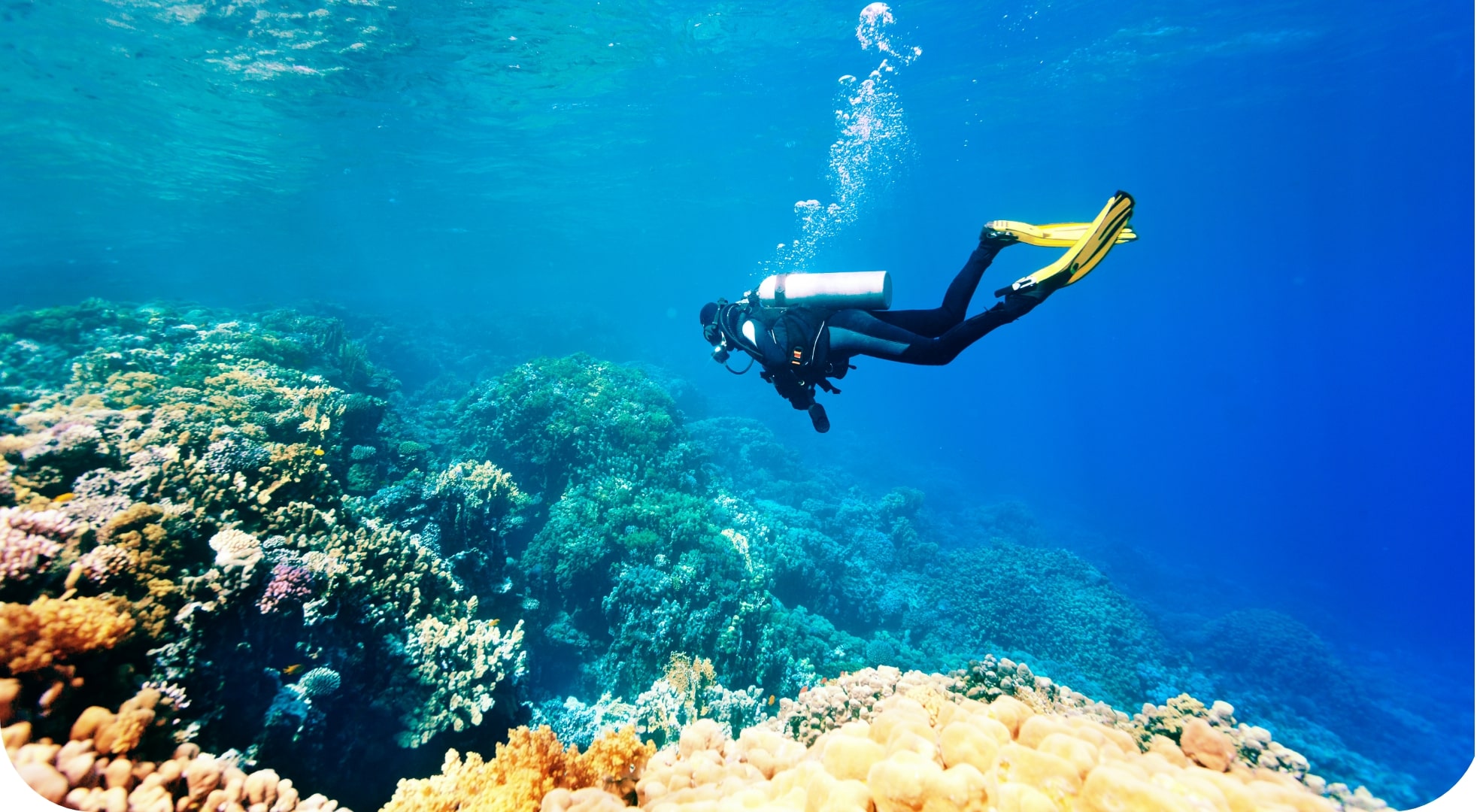
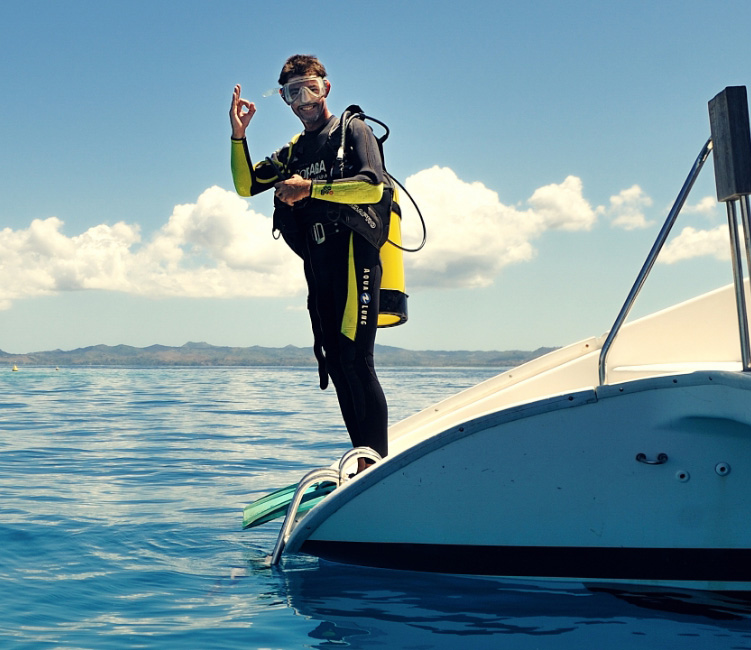
Nosy Tanihely presents itself as a small paradise island, offering an astonishing variety of colorful fish that will delight divers and snorkelers.

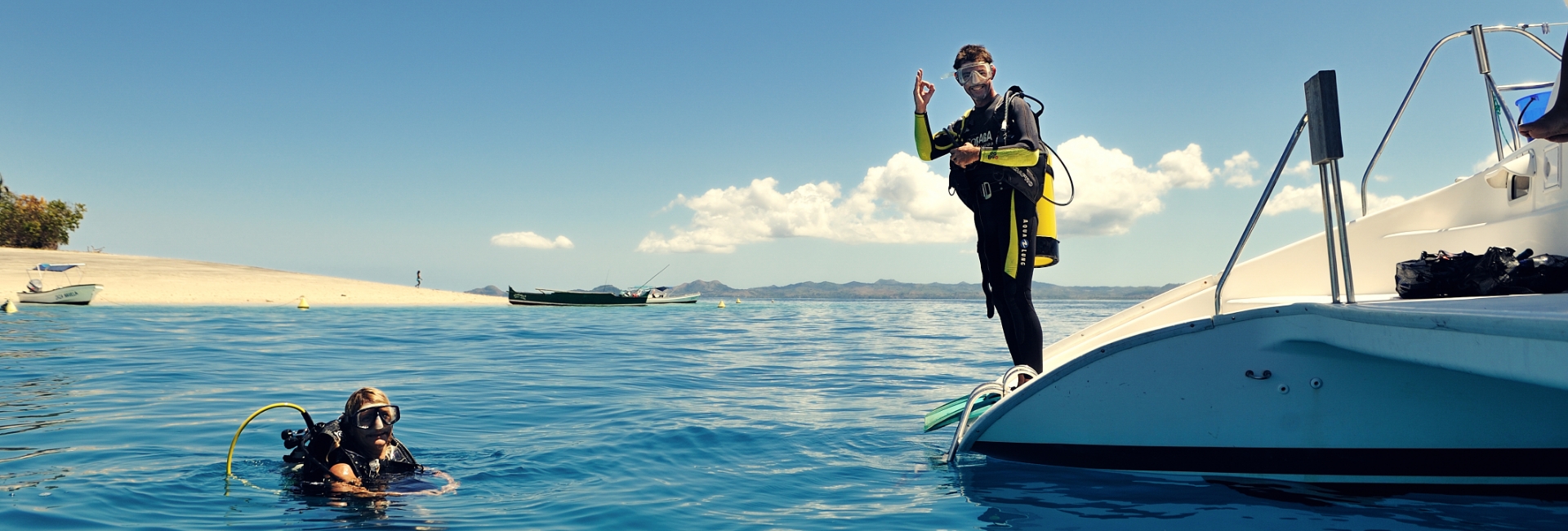
The observation of marine turtles is almost guaranteed! Visitors will be amazed by the richness of the island's fauna and flora. Additionally, a beautiful beach invites relaxation and sunbathing. The staff of the Nosy Tanihely Marine National Park is eager to welcome you to offer unforgettable moments, just a 20-minute boat ride from Nosy Be!

fauna and floraSPECIES YOU CAN SEE
SEE ON THE SPOT

Fauna

Flora

WeatherTemperatures and climat

Nosy Tanihely enjoys a warm and humid tropical climate, with temperatures ranging from 21°C to 31°C, with an annual average of 26°C.

Its highest point is 40 meters above sea level. The islet features steep steep cliffs to the north and west, a steep slope to the east-northeast, and a gentler descent to the beach beach to the south-southeast.

Town, Country

... °C

... meter/sec ... %

27 °C23 °C

37 kph 45 %

Résumé de la journée :

Info

Couverture nuageuse : 20%

Risque de pluie : 10%

Sensation réelle max : 29°

Sensation réelle min : 18°

27 °C23 °C

37 kph 45 %

Day summary:

Info

Couverture nuageuse : 20%

Risque de pluie : 10%

Sensation réelle max : 29°

Sensation réelle min : 18°

activities

also availablethe park activities

Partners

Approved Excursion OperatorsSet off with peace of mind, guided by trusted professionals.

All the operators listed here are officially approved to organize excursions to Nosy Tanihely Marine Park. Their commitment ensures safe, environmentally respectful outings in accordance with park regulations — for a rewarding and secure experience.

Map How to access to the park Nosy Tany Hely

By plane, then by speedboat or boat: A regular flight links Ivato airport to Fascène, Nosy Be's airport, from the capital. Nosy Be, from the capital. Licensed city cabs then provide transfers from the airport to Hell Ville.

By car, then by speedboat or boat: Journeys from Antananarivo, Diego or Mahajanga to the port of Ankify port of Ankify (Ambanja) by car (taxi-brousse or private car), from where the speedboats and fast boats to Hell Ville. Maritime shuttles are also available from Nosy Be, with different departure points different departure points depending on the port of embarkation.

Entrance Fee

Entrance Fee

Entrance Fee

Access to Nosy Tanikely is subject to an entrance fee, and tickets are available exclusively on this platform. The rates effective from January 1, 2024, are as follows:

  • - 40,000 ariary for adults (foreigners).
  • - 4,000 ariary for children (aged 6 to 12).
  • - For nationals: 5,000 ariary for adults and 1,000 ariary for children.

The Tanikely reef offers visitors the opportunity to discover marine fauna and flora by simply using a mask and snorkel in shallow waters.

Opening Hours

Opening Hours

Opening Hours:

The Tanikely Marine National Park is open from 7:00 AM to 4:00 PM every day of the week. Tickets can be purchased exclusively on this platform or at the park office in Nosy Be, Hell Ville. On-site, eight members of the "Tanikely National Park" association ensure the reception of visitors and the management of infrastructure. The park team is qualified to provide information and advice.

Access

How to Access Nosy Tanihely Park:

By plane, then by boat or speedboat: A regular flight connects Ivato Airport to Fascène, Nosy Be Airport, from the capital. Approved city taxis then provide transfers from the airport to Hell Ville. By car, then by boat or speedboat: Journeys from Antananarivo, Diego, or Mahajanga to the Ankify port (Ambanja) are done by car (bush taxi or private car), from where speedboats and fast boats depart to Hell Ville. Maritime shuttles are also available from Nosy Be, with different departure points depending on the embarkation port.

Climate

Climate

Temperature and Climate:

The predominant climate in Nosy Tanihely is hot and humid tropical, with temperatures ranging from 21°C to 31°C, for an average annual temperature of 26°C. Its highest point is at 40 meters above sea level. The islet has steep cliffs to the north and west, a steep slope to the east-northeast, and a gentler descent to the beach to the south-southeast.

Regulations

Regulations

Regulations

It is imperative to minimize negative impact on fauna and flora. Biodiversity must be preserved despite tourist presence. Visitors must respect the reef, species, and the environment. Fires are prohibited except in designated picnic areas. It is strictly forbidden to touch animals or collect plants, algae, shells, corals, etc. Signage is installed to inform about areas to preserve and the limits of authorized zones.

THE FOLLOWING ARE STRICTLY
PROHIBITED
IN THE PARK

  • Any fishing activity, hunting, spearfishing, and any disturbance of animals
  • Starting fires (heating or cooking on the beach and in any unauthorized location)
  • Leaving waste on the island and in the sea. Everyone is asked to take their own waste with them or use the bins provided for this purpose
  • Altering and marking the park's infrastructure such as rocks, trees, etc. (graffiti or other marks)
  • Collecting items as souvenirs (plants, corals, animals, shells, etc.)
  • Bringing pets
  • Carrying firearms or knives
  • The use of sunscreen is strictly prohibited.

CODE OF CONDUCTVisitor Obligations

01Each visitor is required to:

  • Claim their entrance ticket and present it at the park reception;
  • Inquire about zoning and related regulations from the receptionist;
  • Respect all instructions and signage;
  • Follow and only use the designated trails in the Park, without creating shortcuts;
  • Respect animals (lemurs, chameleons, or other reptiles, etc.) by maintaining a viewing distance and not touching or feeding them, especially lemurs;
  • Respect the tranquility of other visitors and the island's animals;

Respect the environment and integrity of the Park:

By using the bins provided for waste, including cigarette butts. By smoking only in designated areas. By taking with them the seeds of fruits consumed.

  • Use only the park's toilets for their needs;
  • Do not use water in the toilets, but only toilet paper and sawdust

Obligations ofOperators, Providers, Guides, and Accompanists

02Operators, providers, guides, and accompanists must:

  • Comply with the Park's Internal Regulations and ensure compliance by their clients, moor their boat to the designated mooring buoys;
  • Follow the channel for disembarking their clients; ensure that their clients adhere to the tide gauge indications and do not walk or step on the reefs;
  • Respect and enforce the meal area regulations;
  • Respect the cleanliness and hygiene of the premises and equipment provided;

Sanctions

03Any violation of the provisions of the preceding articles is subject to sanctions.

Depending on the severity of the offense, sanctions may include: *cancellation of the guide's accreditation or that of their employer under the circumstances

  • Direct expulsion from the Park
  • Payment of the fee multiplied by five
  • Prohibition of access to the Park for a determined period
  • Engagement of a judicial procedure provided for by the COAP.
Inquire about the Park's internal regulations at the reception